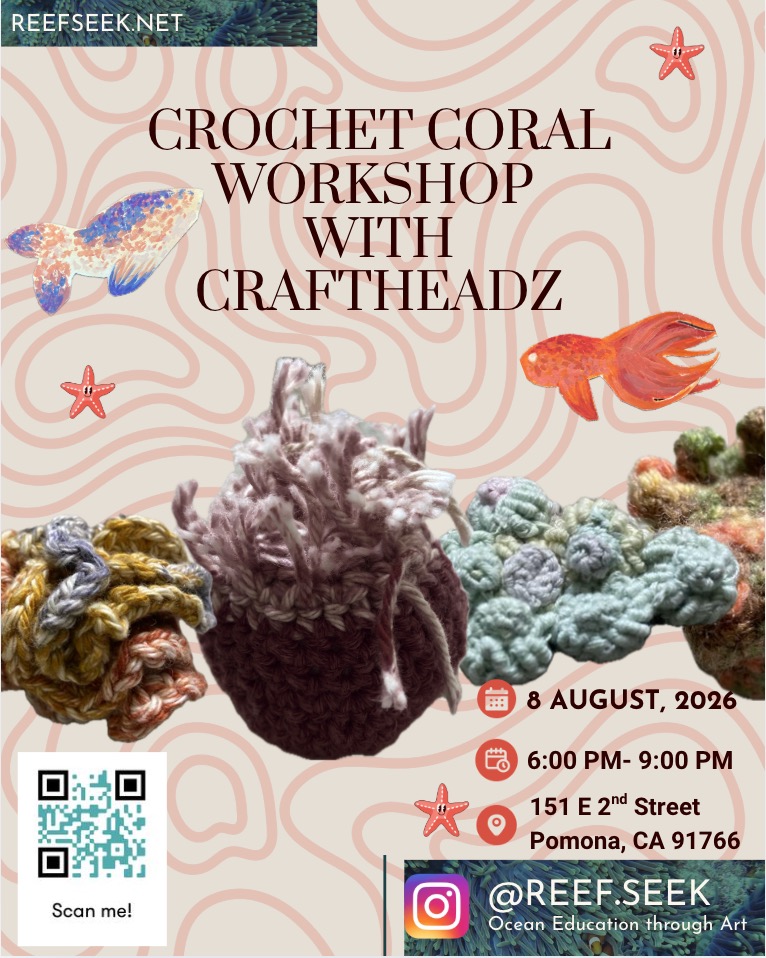
Crocheting a coral reef means including diversity in what you are crocheting! Reefs don’t just include coral, but all kinds of marine organisms that contribute to the health and productivity of the reef in their own way. “The Basic Reef” contains five of he easiest corals and reef organisms to crochet, that together, mimic a fraction of the diversity of these ecosystems in the wild.
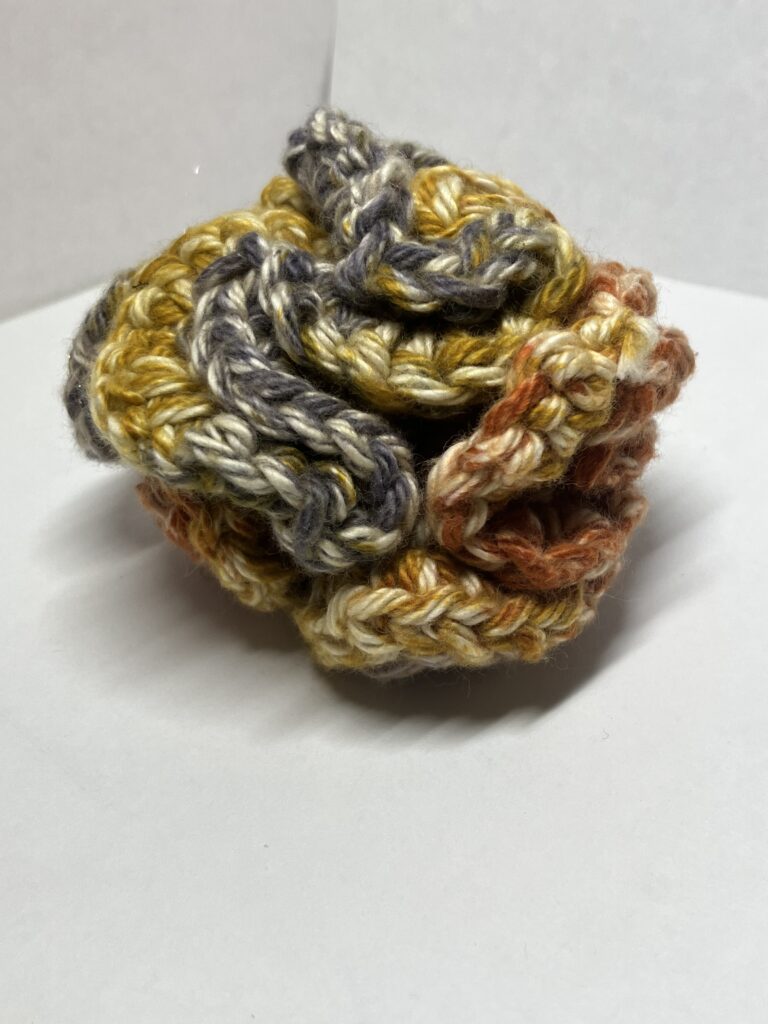
Brain Coral
Brain coral are iconic coral that are arguably the easiest to identify because of their bulbous shape, imposing size, and signature grooves. While the fastest to crochet, brain corals in the wild take growth at an incredibly slow rate, about 1 centimeter each year. Over a maximum lifespan of around 900 years, brain corals grow into 6 feet tall monoliths found in subtropical waters such as the Caribbean.
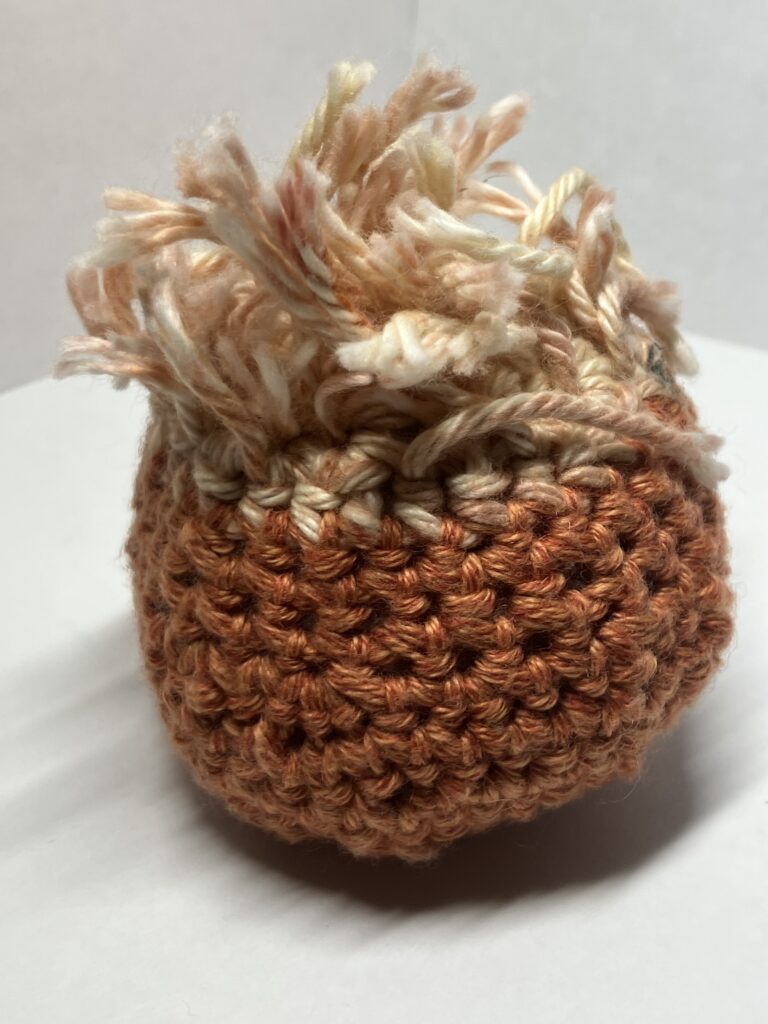
Anemones
Anemones come from the same phylum as corals, Cnidarians. With many anatomical similarities, anemones are key organisms in coral reefs because of their similar symbiotic relationships with marine animals. The most iconic example of their service to marine life is their housing arrangements with clownfish on the basis of hygiene. Anemones provide just as much color and life to reefs as a piece of coral, and the diversity of their shapes makes them perfect for representing reef diversity in crochet as well!
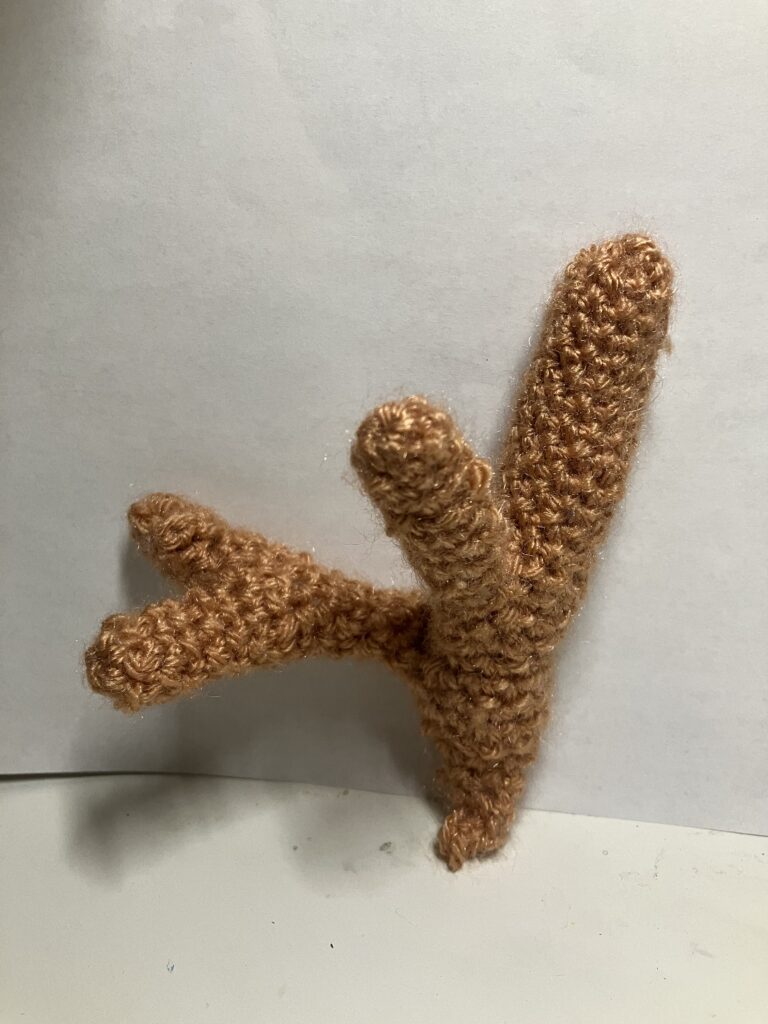
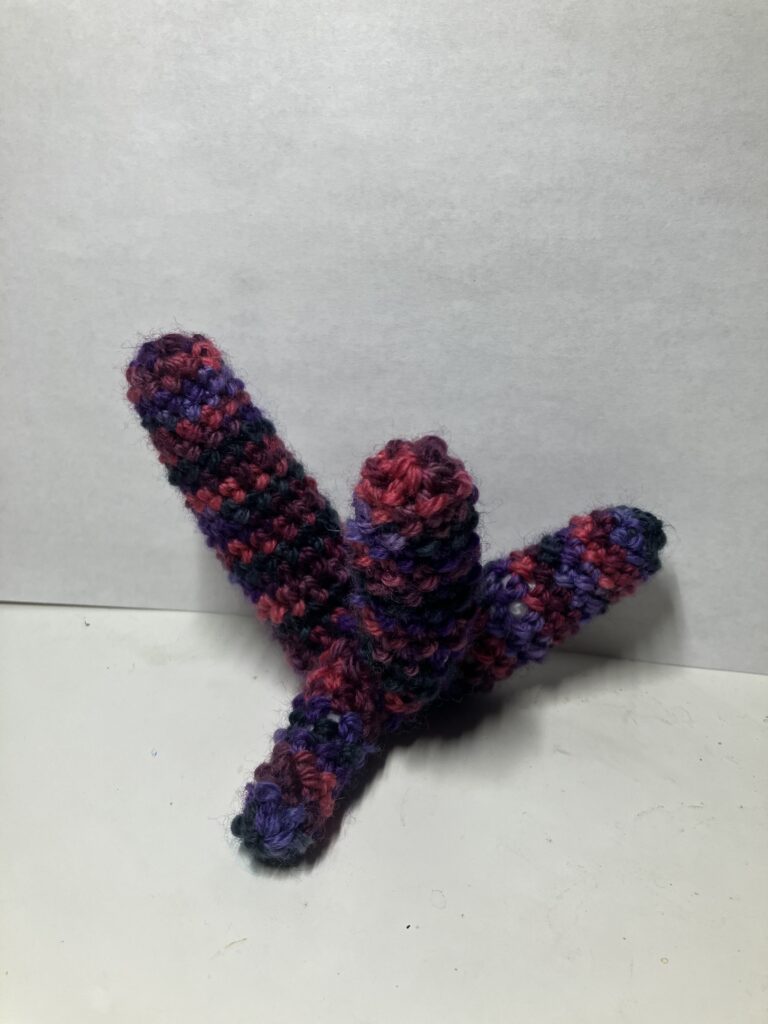
Staghorn Coral
Staghorn coral grow to maximize their territory. Branching growth allows them to cover large spaces and absorb lots of sunlight without using essential ground territory. Staghorn grow to be 10 feet tall in the oldest and healthiest colonies, and reach diameters of up to 6 feet. In shallower water, Staghorn coral grow close together to form dense thickets that provide safe shelter for Caribbean fish!
Barnacles
Barnacles while not coral, have important but hidden purposes in coral reefs! They attach themselves to corals and filter feed while also providing nutrients to their host. Their symbiotic relationship with coral works in a very similar way as zooxanthellae algae’s symbiotic relationship with coral does. Barnacles are examples of important, but hidden reef organisms!
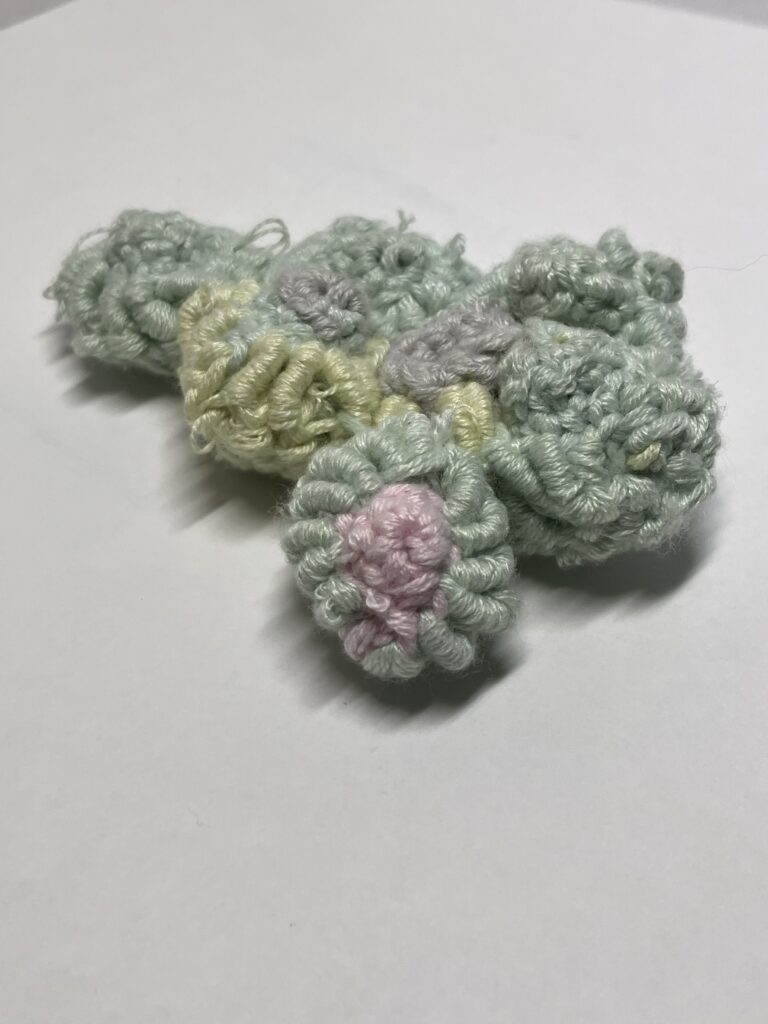
Pillar Coral
Pillar coral are another species of coral that, like staghorn, like to focus their growth on upwards momentum to reach sunlight. However, unlike staghorn coral who grow multiple branches from one base, these corals create multiple pillars to claim territory across the reef floor. Pillar coral polyps stay connected through shared coralite walls, making them a meandroid colony.
History of ReefSeek:
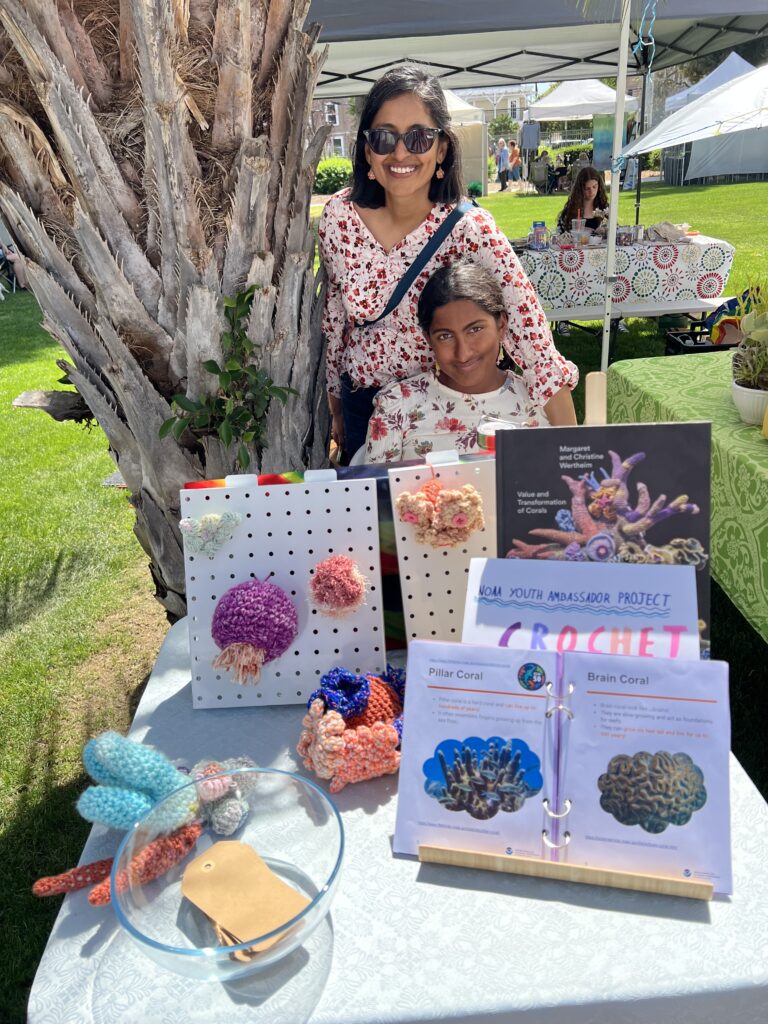
I started crocheting little ocean animals for fun during the pandemic. It was a hobby I picked up more seriously in middle school, influenced by my friends who all seemed to crochet non-stop. I incorporated my love for making these ocean animals into school projects as a way to make use of all the time I spent with yarn. Once I reached high school and joined the NOAA Ocean Guardian Youth Ambassador Program, I channeled my constant crocheting into an avenue I had newly discovered through a TED Talk given by Margaret Wertheim. Her discussion about hyperbolic geometry and how corals utilized this math to maximize their own function coupled with the grandeur of her crocheted reef inspired me to start my own little branch of her crocheted coral reef in the city of Riverside. Through the NOAA Ocean Guardian youth Ambassador program and the insight of Margaret Wertheim, I was able to bring together the art of crocheting with my love for coral and their color into a community outreach project to connect inland communities to the importance of the ocean.
Outreach
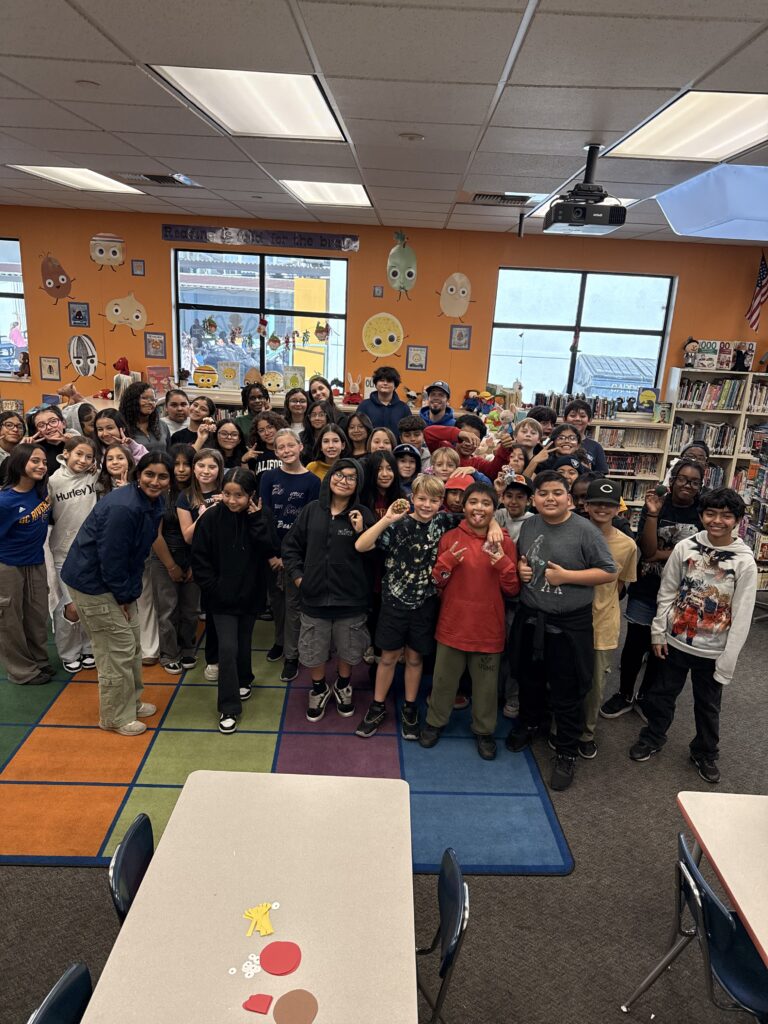
Here is a picture from my presentation at my old elementary school, Bryant Elementary! It was wonderful to talk to my sixth grade teacher’s new class about the importance of coral to our inland community. They enjoyed holding the crochet coral, and several of them were lucky enough to take some pieces of the crochet reef home! This was my first youth outreach venture!
Interaction Videos 𐔌՞. .՞𐦯
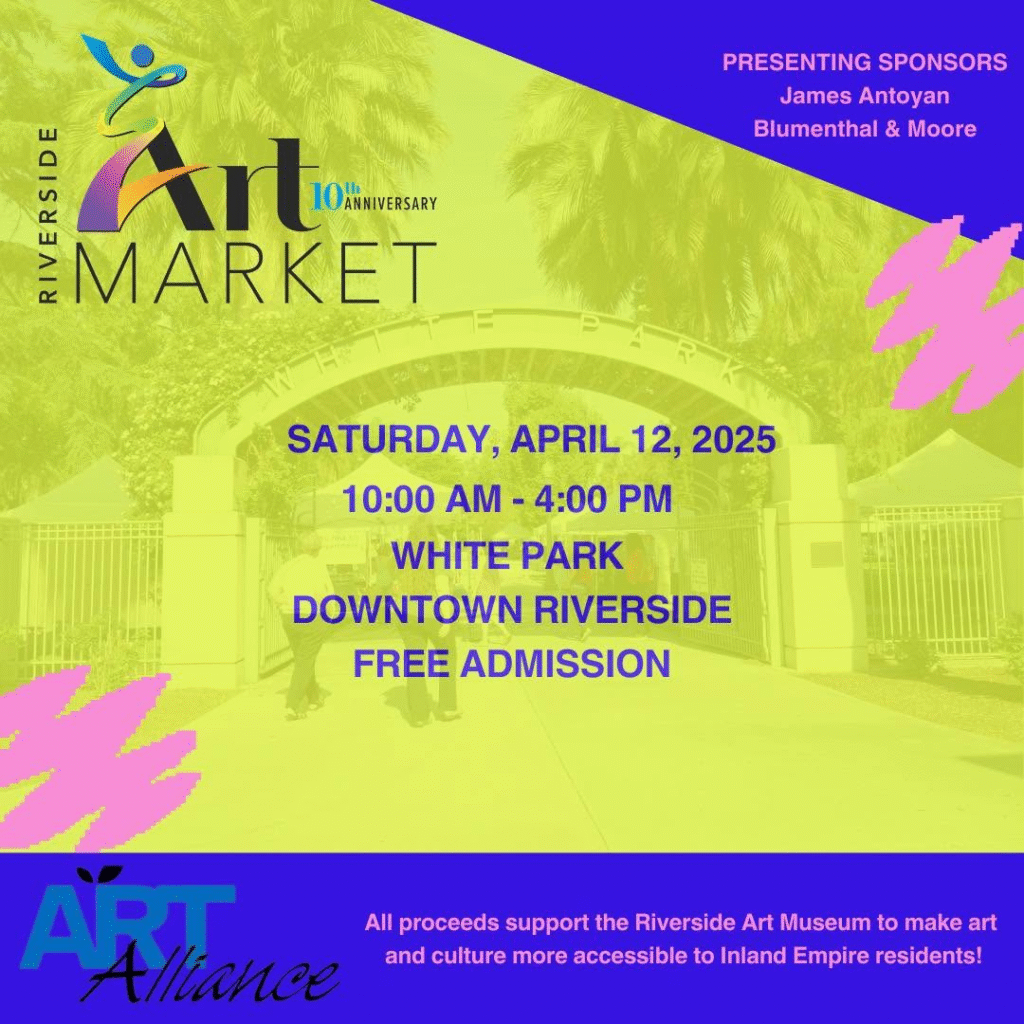
Take a look at all the videos and people I talked to about crochet coral this year! Riverside Art Market 2025